


Early Symptoms of Pancreatic Cancer You Should Never Ignore
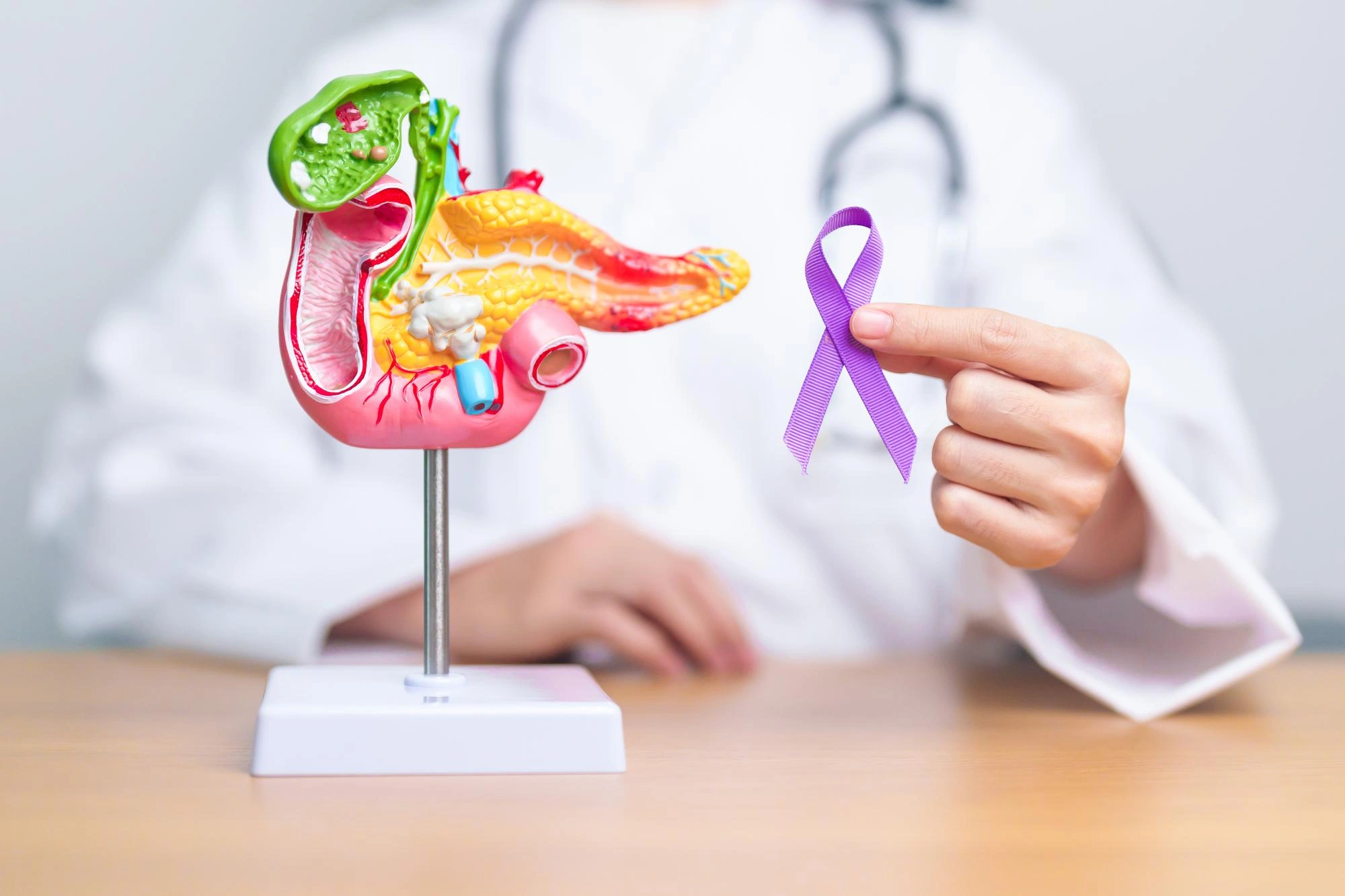
Most people hear little about pancreatic cancer until it reaches later stages, since signs usually emerge only after the tumor expands or moves beyond the organ. Yet noticing small shifts in how you feel might make a difference when catching it sooner improves outcomes. Recognizing what symptoms tie directly to this form of illness helps take meaningful control over health choices. Starting awareness early—before urgency strikes—can quietly shift the course ahead.
The Pancreas and Its Jobs
Deep inside the belly, tucked behind the stomach, sits the pancreas—a key player in body function. Not only does it make digestive juices, but also sends out chemicals like insulin to control glucose in the bloodstream. Since it lies far back in the abdominal area, growths here often escape notice during standard checkups. That hidden position means quiet symptoms may be the first clue something is wrong.
Subtle Warning Signs
Though some milder health issues might explain these signs, it's when they stick around that a doctor’s visit becomes necessary. Paying attention to common symptoms of cancer helps in identifying when a symptom is no longer just a minor inconvenience.
Jaundice and Associated Changes
Yellowing of the skin and eyes often shows up first in pancreatic cancer. When a growth obstructs the bile duct, bilirubin accumulates. That rise leads to jaundice. Skin discoloration might come with dark urine. Sometimes itching appears without rash. Light-colored stools can happen too. Fatigue may tag along quietly. Weight drops even without trying. Appetite slips away slowly. These signals linger—never vanishing fast.
-
Dark Urine: Brownish tint in urine could show up now and then. A shade like black tea might appear without warning.
-
Pale or Greasy Stools: Bile's absence from the digestive tract can leave feces pale. When fat isn't broken down, it shows up as a greasy sheen on water.
-
Itchy Skin: Scratching often gets worse when bilirubin collects under the skin. Persistent itchiness may signal rising levels beneath the surface.
Persistent Abdominal or Back Pain
Most people notice discomfort in the belly or mid-back first. When the growth gets larger, pressure builds against nearby structures—sometimes nerves included. Starting high in the abdomen, the ache commonly spreads backward. Lying flat or finishing a meal can make the sensation more intense.
Digestive Problems Linked to Weight Loss
When the pancreas fails to work properly, digestive problems usually follow. Problems in processing food commonly signal a struggling pancreas. A disrupted digestive flow may point directly to pancreatic issues. Gastrointestinal discomfort frequently arises when pancreatic activity falters.
Cancer often shows up through unexplained weight loss—dropping pounds suddenly, even when eating and activity stay normal. This shift stands out among typical common symptoms of cancer linked to the disease.
-
Loss of Appetite: Some people find meals unappealing, noticing they feel satisfied after just a few bites. Others skip eating entirely due to missing hunger cues altogether.
-
Nausea and Vomiting: Brought on by pressure from a growing mass, nausea may linger when digestion is disrupted. Food struggles to move past the stomach if blocked, creating ongoing discomfort instead of normal processing.
Understanding the Progression
Most times, how bad the signs are depends on the different stages of cancer. When it first shows up—called Stage I or II—it stays inside the organ where it began or moves just next door to glands, bringing milder discomforts that stick to one area.
Later on, when tumors reach Stage III or IV, they might grow into large blood vessels or travel to far-off areas such as the liver or lungs. With time, discomfort and health effects tend to worsen, affecting the whole body. Catching problems sooner helps stop advancement through the different stages of cancer, opening up clearer chances for surgery down the line.
New-Onset Diabetes
Not every older person with new-onset diabetes has inherited risk or carries extra weight—some may actually be showing subtle signs of pancreatic cancer. When tumors form in the pancreas, they disrupt normal function because that organ is responsible for making insulin. Without proper insulin production, blood sugar rises quickly. A sharp increase in glucose might then serve as one of the first detectable changes linked to such growths.
When to See a Doctor
Most times, spotting just one or two signs doesn’t lead straight to pancreatic cancer. Other problems—gallstones, for instance, or inflammation of the liver—might look much alike. What matters most? A shift that arrives suddenly then stays. When something feels off for longer than fourteen days, getting checked by a doctor makes sense.
Conclusion
Most lives could be saved only if signs appear sooner—timing shapes survival more than any treatment. Watchfulness changes everything, because ignoring common symptoms of cancer often leads to late diagnoses. When progression moves through the different stages of cancer, catching subtle shifts at first notice makes a critical difference later. Missing early cues usually means facing tougher paths down the line.