


Hidden Hazards: Environmental and Occupational Exposure as Causes of Kidney Cancer
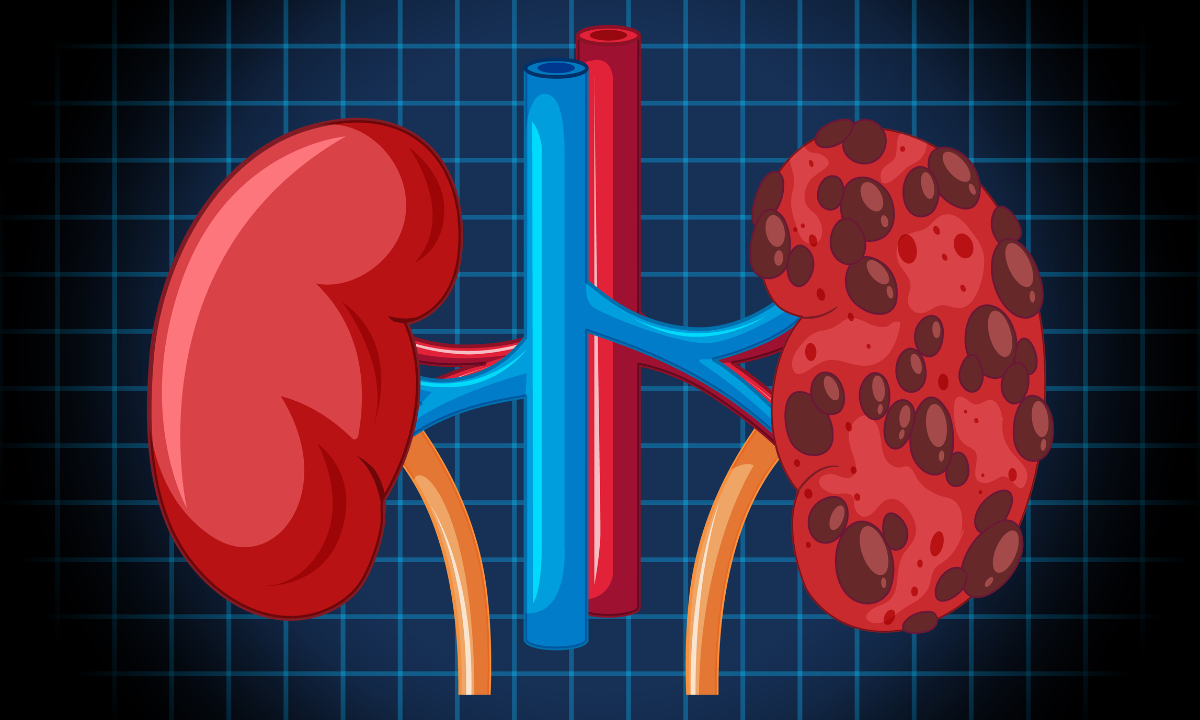
Last year, a middle-aged man from Ennore walked into KKR Hospital thinking he had a persistent muscle strain. He worked near a thermal plant for almost two decades, so breathing dust and fumes had become part of life. What he never imagined was that something in that air might have silently affected his kidneys. A routine scan raised suspicion, and further tests confirmed it a small tumour in the right kidney.
The first question he asked wasn’t about treatment.
It was, “How did this even happen?”
Kidney cancer has been steadily rising in India. Recent health statistics show nearly 40,000 new cases every year, and the number has been climbing especially in urban and industrial areas. While smoking, obesity, and age remain common contributors, a growing set of cases are linked to something most people don’t think about the environment they live in and the work they do every day.
Everyday Exposure Isn’t Always Visible
The kidneys filter almost everything the body absorbs. So when harmful substances enter the bloodstream chemicals, toxins, metals, fumes they eventually pass through the kidneys. Over time, this can irritate, damage, and alter kidney cells.
People living near factories, power plants, heavily polluted zones, or contaminated water bodies may be breathing or consuming small traces of substances that the kidneys can’t easily clear. Metals like cadmium and arsenic, industrial solvents, and even certain pesticides can slowly build up in the body. The changes don’t happen overnight. It’s usually years later that symptoms begin to show.
Some patients don’t even know they were exposed to anything harmful until they start connecting the dots during hospital consultations.
Workplace Hazards: A Risk Many Don’t Question
Certain jobs carry silent risks. Workers in:
- metal plating
- rubber and dye units
- chemical cleaning
- battery factories
- petrol refineries
…often handle solvents and fumes without realising their long-term impact.
One of the most researched chemicals linked to kidney cancer is trichloroethylene (TCE), used widely for cleaning metal parts. Many workers inhale small amounts daily without noticing any immediate reaction. The problem begins when this exposure stretches across years.
By the time early signs appear fatigue, flank pain, blood in urine, loss of appetite the damage has already been building beneath the surface.
Who Should Pay Extra Attention?
People with a history of long-term exposure to solvents, dyes, heavy metals, or industrial smoke should not ignore mild or persistent symptoms. Even those living near industrial belts or depending on groundwater sources suspected of contamination should consider screening once in a while.
Simple tests can detect early changes. Early diagnosis almost always improves outcomes.
Conclusion
Kidney cancer doesn’t always come from lifestyle choices. Sometimes the risk comes from the air we breathe, the water we drink, or the job that pays our bills. These dangers rarely make noise — they stay hidden until the body can’t handle it anymore.
If you or someone you know has worked around chemicals, fumes, or industrial waste, or lives near a polluted zone, it may be wise to get a kidney check-up.
KKR Hospital, Chennai, offers dependable evaluation and guidance to help detect problems early. A simple consultation today can prevent a complicated diagnosis tomorrow.