


Thyroid Cancer in Young Adults: Rising Incidence and What It Means
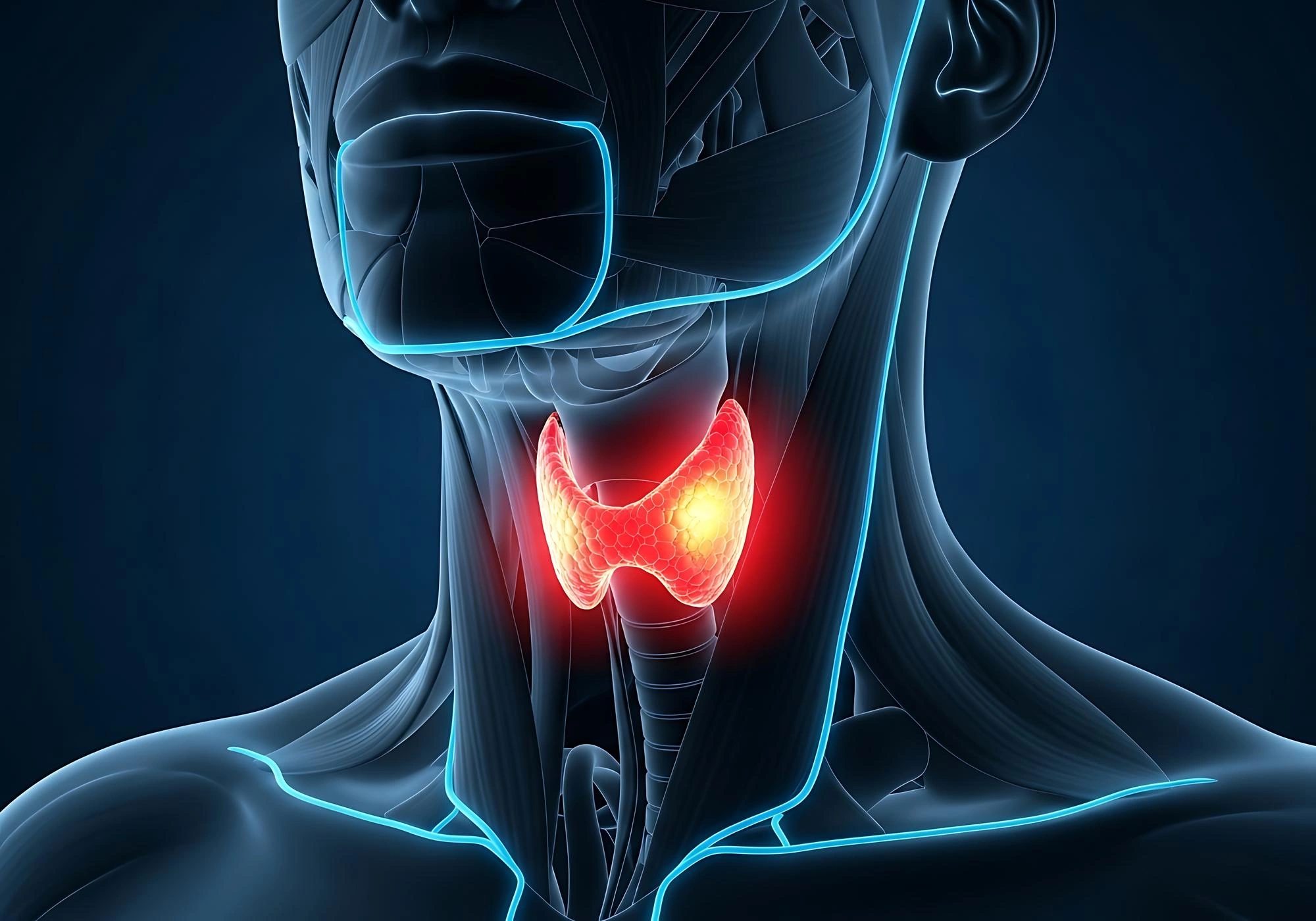
Over the last few decades, medical registries have noted a significant shift in the demographics of endocrine health. Specifically, there has been a documented rise in the incidence of thyroid cancer among young adults, particularly those between the ages of 20 and 39. While thyroid issues were once seen primarily as a concern for older populations, the increasing frequency of diagnoses in younger cohorts has prompted a closer look at environmental factors, screening methods, and the long-term implications of early intervention.
Statistical Change Explained
One reason behind growing case numbers lies in rising instances of papillary thyroid carcinoma - the usual, manageable type. Because detection methods have improved, including sharper ultrasounds finding tiny growths, part of the trend makes sense. Still, experts think additional causes exist beyond better imaging alone. When compared to tumors affecting older populations, this kind behaves differently among younger people. A noticeable gap appears between genders: diagnoses in young females happen far more often than in males their age.
Potential environmental and lifestyle drivers
Looking at this growing pattern, science examines different paths - pollution in the surroundings along with shifts in daily habits. Though ionizing radiation has long been tied to higher risks, attention now turns to certain chemicals in plastics and cleaners that might interfere with hormones. Another angle: how the spread of metabolic issues plus altered eating patterns over two decades could reshape the body’s hormone backdrop, especially around the thyroid. Instead of one clear trigger, experts piece together how layers of influences interact. The combined weight of these elements keeps research moving forward.
The Problem of Late Diagnosis in Young People
Though often ignored, signs of thyroid problems in youth get brushed off as tiredness, everyday stress, or lingering illness. A bump on the neck might be mistaken for an inflamed gland after a mild infection. As time passes, detection usually waits until a standard medical exam - or until something clearly appears out of place. Spotting such shifts early means speaking up about long-standing nodules or shifts in how one sounds. Awareness matters; checking the throat now and then could reveal what otherwise hides too well.
Screening and detection changes over time
Nowadays, checking for thyroid problems relies less on physical touch alone. Instead of basic examination, detailed images help reveal what is happening inside the gland. With ultrasound, features like size, edge clarity, and internal structure become visible clearly. Because accuracy improves this way, decisions grow more confident. Guided by real-time scans, thin-needle tests collect cells without major discomfort. Such methods offer clear answers about whether growths are harmless or not. Thanks to these tools, unnecessary surgeries happen far less often than before. Clarity comes earlier, reducing delays in care when urgency exists.
Targeted Therapies Meet Precision Surgery
Young adults facing cancer care need outcomes that extend beyond tumor removal - long-term well-being matters just as much. Surgery today often favors thyroid lobectomy, taking out just one side of the gland, if suitable. This shift means some people may never require daily hormone pills. When disease progresses further, treatment still includes radioactive iodine, known for strong results. Newer options now target distinct genetic flaws in tumor cells. These treatments adjust to individual biology, sparing surrounding areas from harm. Lasting health gains shape current decision-making.
Long Term Monitoring and Life After Treatment
Most young adults survive thyroid cancer quite well, so treatment priorities tend to move toward life after therapy. Follow-up continues over time, mainly tracking hormone balance and watching closely for signs the disease might return. Scans appear at intervals, alongside blood draws focused on thyroglobulin - this substance signals whether any thyroid tissue remains. Living with these routines becomes part of daily reality; guidance helps. Care works best when providers grasp both emotional strain and bodily changes survivors face.
Resilience Through Human Connections
Facing cancer early in life often brings a sense of being alone. Yet care that includes tailored therapy and connections with others who’ve been through similar experiences makes a real difference during healing. Learning how the disease works reduces anxiety tied to uncertainty, shifting attention toward what comes next in medical plans. A clearer picture, along with encouragement from trusted sources, builds strength when emotions run high. With knowledge and companionship close by, moving forward becomes more manageable - even amid difficulty.
Conclusion
Navigating an unexpected health journey requires a balance of advanced medical skill and consistent, attentive support. At KKR Hospital, our approach is defined by clinical excellence and a commitment to understanding the unique needs of every individual. Healing is most effective when sophisticated diagnostics are paired with a care team that listens first. By focusing on precision and long-term wellness, we help patients move through their treatment with clarity and confidence. Every step toward recovery is built on a foundation of scientific proof and dedicated oversight. KKR Hospital remains a steady partner in your health, ensuring that your path toward a vibrant, healthy future is supported by expertise at every turn.