


Valvular Heart Disease: Overcoming Diagnostic Delay and the Evolution of Screening
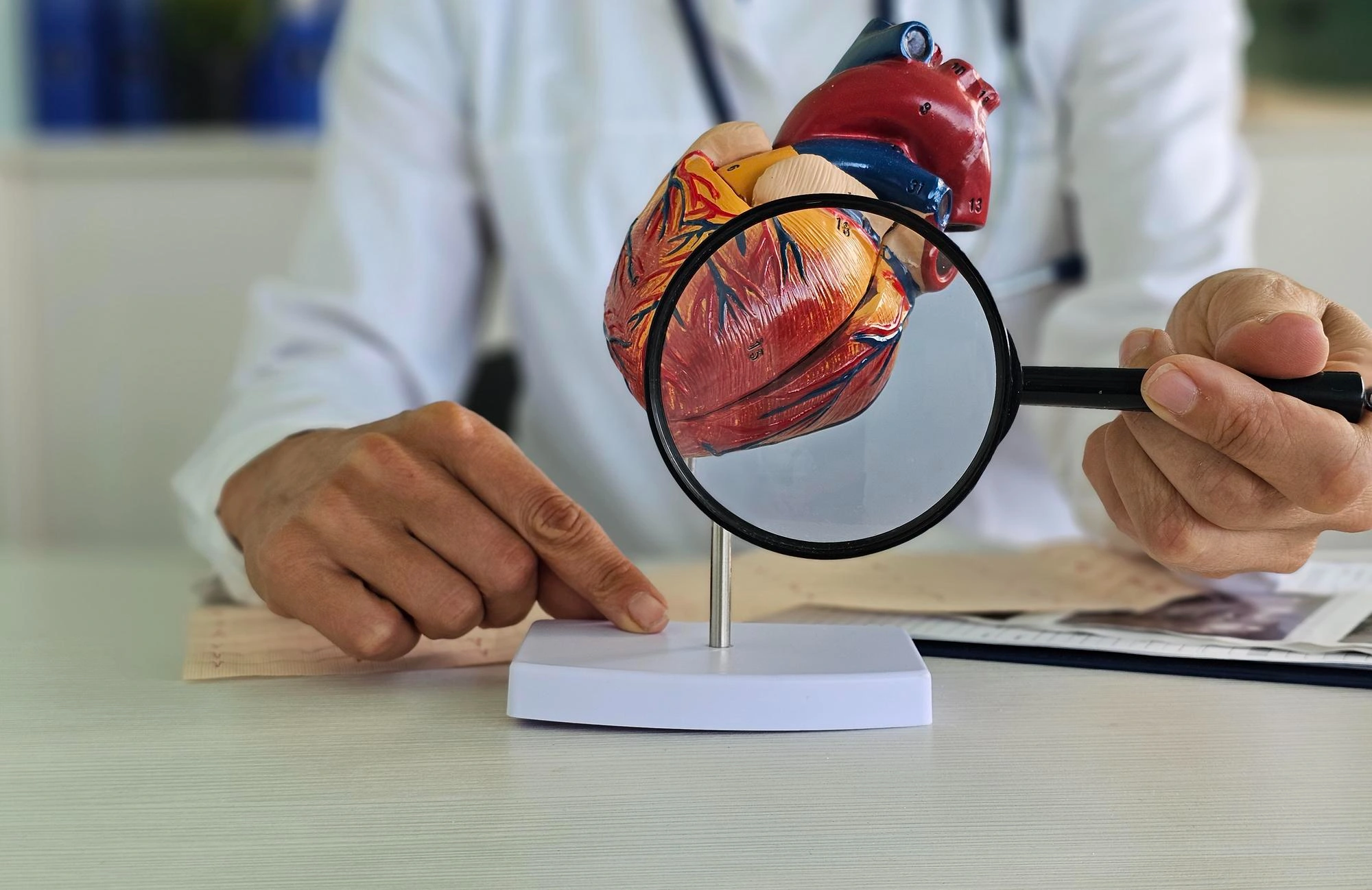
Heart valve conditions often progress in a quiet, nearly invisible manner, leading to what medical professionals call diagnostic delay. Because the heart is remarkably efficient at compensating for restricted blood flow or minor leakages, many individuals remain asymptomatic for years. By the time noticeable symptoms like breathlessness or fatigue arise, the heart muscle may have already undergone structural changes. Bridging this gap between the onset of disease and the start of treatment is one of the most significant challenges in modern cardiac care.
The Secret History of Valve Development
Often, diagnostic delays happen because early valve problems show faint signs. Instead of linking fatigue to illness, people may think it comes from getting older or being out of shape. Without realizing it, someone might start doing less each day - slowing down quietly. That slow shift hides what is really going on inside the body. Over time, small issues grow worse while staying unnoticed. Watching closely with focused tests helps reveal shifts before daily living suffers. Spotting this quiet stage means treatment can fit into life instead of interrupting it.
From stethoscope to digital listening
More than one hundred years passed with doctors relying solely on handheld stethoscopes to catch unusual heart sounds. Yet precision often depends less on the device, more on where it is used and who holds it. Now, new versions transmit audio digitally, combining sensors with smart software trained to identify patterns. Instead of just making soft noises louder, these systems sort them - separating harmless pulses from signs pointing toward physical defects. Because of such advances, minor anomalies once missed now appear clearly when patients undergo standard exams.
Advanced point of care ultrasound in clinical use
Getting diagnosed often meant waiting weeks for an echo test. Now, things change fast - thanks to portable ultrasound tools used right where care happens. A clinician checks heart valves on the spot instead of sending someone away. This glimpse isn’t complete like a full study. Yet it spots serious signs early. Time shrinks sharply - from first appointment to clear answers. Decisions move quicker when clues appear instantly.
Clear pictures and three-dimensional shapes
Should an early warning arise, clearer images now reveal what once stayed hidden. From moment to moment, 3D Echo captures the heart in motion, offering views of valves from perspectives formerly out of reach. Because detail matters, Cardiac CT along with MRI supports transcatheter preparation by measuring valve openings plus nearby structures precisely. With such sharp visualization, teams carry forward into procedures knowing exactly what lies ahead - safety grows, so does accuracy. Though subtle, these advances shift how decisions unfold behind the scenes.
Biomarkers Shape Early Detection Tomorrow
Now comes screening through blood chemistry. When the heart faces strain, certain proteins or enzymes enter the bloodstream - researchers now track these signs. These markers may reveal valve issues long before ultrasound detects changes. Annual checkups might soon include such blood analysis, giving physicians clearer cues over time. With earlier signals, medical oversight becomes sharper, timing for treatment improves. Instead of waiting until damage shows, care begins sooner. That pivot - from fixing problems late to managing them early - is reshaping how hearts stay healthy.
Lowering Hurdles to See Specialists
Getting to a diagnosis late usually comes down to access more than illness itself. Instead of waiting for people to come forward, today's screening efforts meet them where they live - right inside neighborhood health centers. These mobile strategies carry high-tech equipment into familiar settings. When testing becomes easier to reach, problems like heart valve issues show up sooner. Finding trouble early increases how well fixes work later. It also opens doors to gentler procedures that vanish once damage progresses too far.
Conclusion
Effective heart care is built on the foundation of early awareness and consistent clinical oversight. At KKR Hospital, every patient's journey is guided by a commitment to precision and a deep understanding of the human heart. Lasting health outcomes are achieved when advanced technology meets a dedicated team focused on personalized recovery plans. By prioritizing accurate screening and reducing the time to diagnosis, we ensure that every individual has access to the most effective treatments available. Our approach combines scientific rigor with a supportive environment, helping families navigate complex health decisions with confidence. Through continuous innovation and attentive care, KKR Hospital remains a steady partner in the pursuit of long-term well-being and a stronger, healthier life for all.